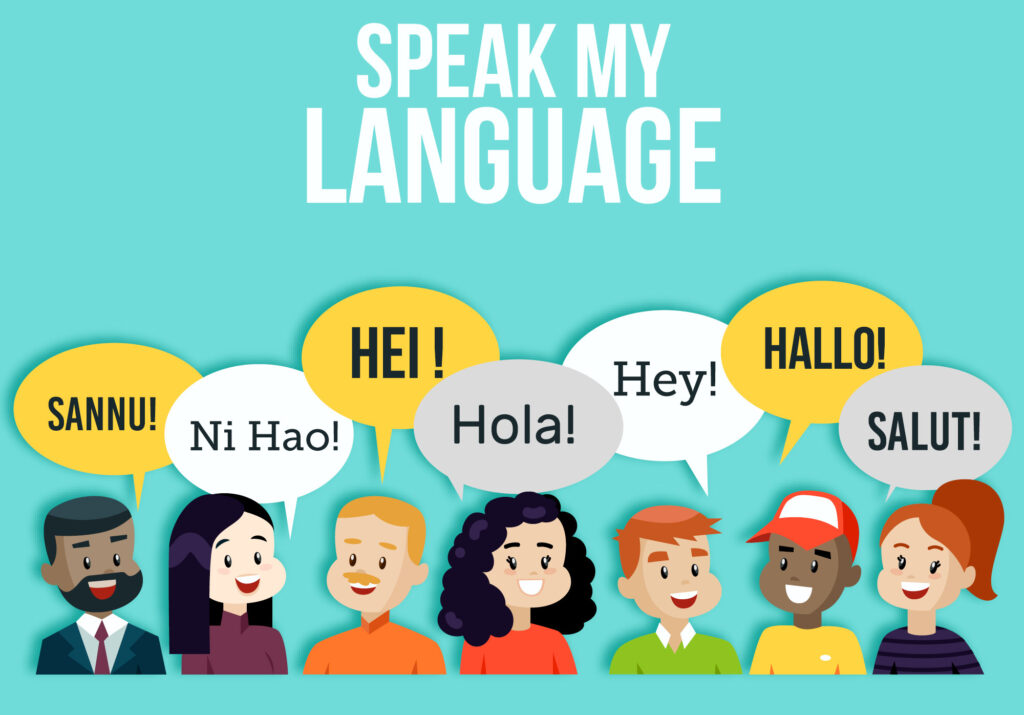
In an increasingly interconnected world, the ability to communicate across language barriers is a critical asset for global businesses. Multinational organizations often encounter the challenges of linguistic diversity within their teams, requiring the implementation of effective multilingual communication strategies to ensure smooth operations and foster a cohesive work environment. By adopting robust communication tools and leveraging professional language services, companies can not only bridge linguistic gaps but also promote inclusivity, understanding, and overall productivity among their diverse workforce.
“To bring relevance to people, you have to be able to speak their language effectively”
― Sunday Adelaja
The Challenges of Multilingual Communication in Global Teams
Operating across multiple countries and cultures poses unique challenges for organizations, particularly concerning effective communication. Some of the primary hurdles include:
- Language Barriers: Differences in languages spoken by team members can lead to misunderstandings, misinterpretations, and communication breakdowns, affecting collaboration and project delivery.
- Cultural Nuances: Understanding cultural subtleties is crucial to avoiding unintended offense or miscommunication. Without a nuanced understanding of cultural contexts, global teams may face challenges in building trust and rapport.
- Technical Constraints: Managing multilingual communication within complex technological infrastructures can be daunting, requiring efficient integration of communication tools that support diverse languages and formats.
The Benefits of Implementing Multilingual Communication Strategies
Overcoming the challenges of multilingual communication can yield substantial benefits for global teams, such as:
- Enhanced Collaboration: Effective multilingual communication fosters a collaborative environment where team members feel valued and understood, leading to improved teamwork and idea exchange.
- Cultural Sensitivity: Encouraging an environment that respects and values cultural diversity promotes a more inclusive workplace, fostering a sense of belonging and mutual respect among team members.
- Global Market Reach: By facilitating seamless communication across languages, organizations can expand their market reach and build strong relationships with international clients and partners, resulting in increased business opportunities and growth.
Leveraging Robust Communication Tools and Language Services
To establish and maintain effective multilingual communication within global teams, leveraging robust communication tools and professional language services is crucial. Some effective strategies include:
- Utilizing Language Translation Software: Implementing advanced translation tools can help streamline communication processes, enabling real-time translation of documents, emails, and other important communications.
- Cultural Training Programs: Providing cultural sensitivity training to employees can enhance their understanding of diverse cultural norms, fostering mutual respect and effective cross-cultural communication.
- Partnering with Professional Language Services Providers: Collaborating with experienced language service providers can ensure accurate and culturally appropriate translations, interpretations, and language support, facilitating seamless communication within the organization.

In today’s globalized landscape, effective multilingual communication stands as a cornerstone for the success of any international organization. By recognizing the challenges, embracing the benefits, and implementing the right strategies and tools, businesses can break down language barriers and create a cohesive, inclusive, and productive environment for their global teams. Empowering employees with the ability to communicate seamlessly across languages not only enhances internal collaboration but also enables companies to build stronger relationships with clients, customers, and partners worldwide.